Your favorite restaurant recipes, recreated at home — tested and easy to follow.


The first time I had Spaghetti Portofino at Cactus Club, I remember being surprised by how much butter and lemon it took to make something this simple taste this good. Plump prawns, a handful of roasted tomatoes, a glossy butter sauce, and a crunchy topping over thin spaghetti — that’s really the whole dish, and yet it’s one of the most-ordered pastas on the menu.
I’ve made this at home more times than I can count, tweaking the butter, the lemon, and the crunch on top until it tasted like the restaurant version. This guide walks through what’s actually in the dish, how Cactus Club builds it, and everything you need to recreate it in your own kitchen — plus a full recipe card at the end.
What Is Spaghetti Portofino?
Spaghetti Portofino is a seafood pasta on the Cactus Club Cafe menu built around sautéed prawns, a lemon-butter sauce, roasted tomatoes, and a crunchy fennel-chili breadcrumb topping, usually finished with garlic crostini on the side. The name nods to Portofino, the coastal Italian town, and the dish leans on the same base ingredients as classic Italian coastal cooking — tomatoes, garlic, olive oil, and seafood — but with a much richer, restaurant-style butter sauce layered on top.
It’s not a traditional Italian recipe passed down through generations; it’s a Cactus Club signature dish that borrows the flavor language of Italian coastal cuisine and turns up the richness for a North American restaurant crowd.
What Makes Cactus Club’s Version Different
Cactus Club’s kitchen leans on a few things that show up again and again across their pasta dishes: real butter instead of cream, quick high-heat cooking for seafood so it stays tender, and a textural contrast — usually something crisp — layered over something soft. Spaghetti Portofino is a good example of all three. The prawns are seared hard and fast, the tomatoes are roasted rather than simmered to concentrate their sweetness, and the fennel-chili crumb (or garlic crostini) gives the whole plate a crunch that a straight tomato-cream pasta wouldn’t have.
Core Ingredients and What Each One Does
- Prawns or jumbo shrimp — the main protein, cooked briefly so they stay tender and slightly sweet rather than rubbery.
- Lemon-butter sauce — real butter, fresh lemon juice, and often a touch of lobster paste or lobster stock for a deeper seafood note.
- Roasted tomatoes — cherry or gem tomatoes roasted with garlic and olive oil until they blister; they add sweetness and color rather than acting as the main sauce base.
- Corn — adds a light sweetness and bite in the restaurant version.
- Fennel-chili breadcrumbs — toasted panko or fresh breadcrumbs with fennel seed and a little chili or cayenne, for crunch and a mild anise-forward heat.
- Garlic crostini — buttered, garlic-rubbed toasted bread, usually served alongside rather than mixed in.
- Parsley — for freshness and color at the end.
If you’re shopping for a homemade version, prioritize good prawns, real butter, and ripe tomatoes first — those three carry most of the flavor. Everything else (crumbs, crostini, corn) is texture and polish you can adjust to taste.
Ingredient Sourcing Tips
- Prawns — fresh, deveined and shell-off saves the most time. Good-quality frozen works fine too; just thaw fully and pat dry before cooking so they sear instead of steam.
- Lobster paste or stock — usually found near canned seafood or in the international aisle. If you can’t find it, a splash of good seafood or chicken stock plus an extra pat of butter gets you close enough.
- Tomatoes — cherry or gem tomatoes roast best because they hold their shape and concentrate quickly. Out of season, high-quality canned cherry tomatoes work if you drain and roast them briefly.
- Bread for crumbs and crostini — day-old French bread gives the best texture, but panko is a fine shortcut when you’re short on time.
Nutrition and Allergen Information
A standard restaurant serving of Spaghetti Portofino (roughly 475g) comes in at around 1,060 calories, with about 69g fat, 73g carbs, and 31g protein. Fat makes up the largest share of those calories — a reflection of how much butter goes into the sauce — so if you’re watching intake, sharing the plate or pairing a half portion with a salad brings it down to roughly 530 calories.
Because of how it’s built, the dish contains a few common allergens worth flagging:
- Shellfish — prawns, and often lobster paste or stock in the sauce
- Dairy — butter is the backbone of the sauce
- Gluten — breadcrumbs and garlic crostini both use bread
If you’re ordering at a restaurant with any of these restrictions, it’s worth asking your server directly, since prep can vary slightly by location.
How Spaghetti Portofino Compares to Spaghetti Pomodoro
Spaghetti Pomodoro is a lighter, tomato-forward dish — fresh tomatoes, basil, olive oil, and garlic, usually vegetarian and quick to cook. Spaghetti Portofino takes a different direction: the sauce is built around butter and lemon rather than tomatoes, tomatoes become an accent instead of the base, and seafood turns it into a heartier, richer plate. If you want something bright and herb-forward, Pomodoro is the better fit. If you want buttery, citrusy, and seafood-driven with some crunch on top, Portofino is the one to make.
Ordering It at the Restaurant
Spaghetti Portofino is usually listed in the pasta or mains section at most Cactus Club locations, though availability can shift slightly during seasonal menu updates. It’s available for dine-in, takeout through the Cactus Club app or website, and delivery through the usual third-party apps in most areas — just keep in mind delivery packaging sometimes separates the sauce to protect the pasta’s texture in transit, so a quick toss before eating helps bring it back together.
What to Pair With It
A crisp, citrusy white wine is the easiest match — think Sauvignon Blanc or Pinot Grigio, something with enough acidity to cut through the butter. If you’d rather stick with something non-alcoholic, sparkling water with lemon or a light iced tea does a similar job of resetting your palate between bites.
On the food side, a simple arugula salad with lemon vinaigrette works well alongside it, and roasted asparagus or charred zucchini keeps the meal from feeling too heavy without competing with the seafood.
How to Make Cactus Club Spaghetti Portofino at Home (Step-by-Step)
Here’s the whole process broken down, so you can see exactly what happens at each stage before you get to the full recipe card below.
Step 1 – Roast the Tomatoes and Garlic
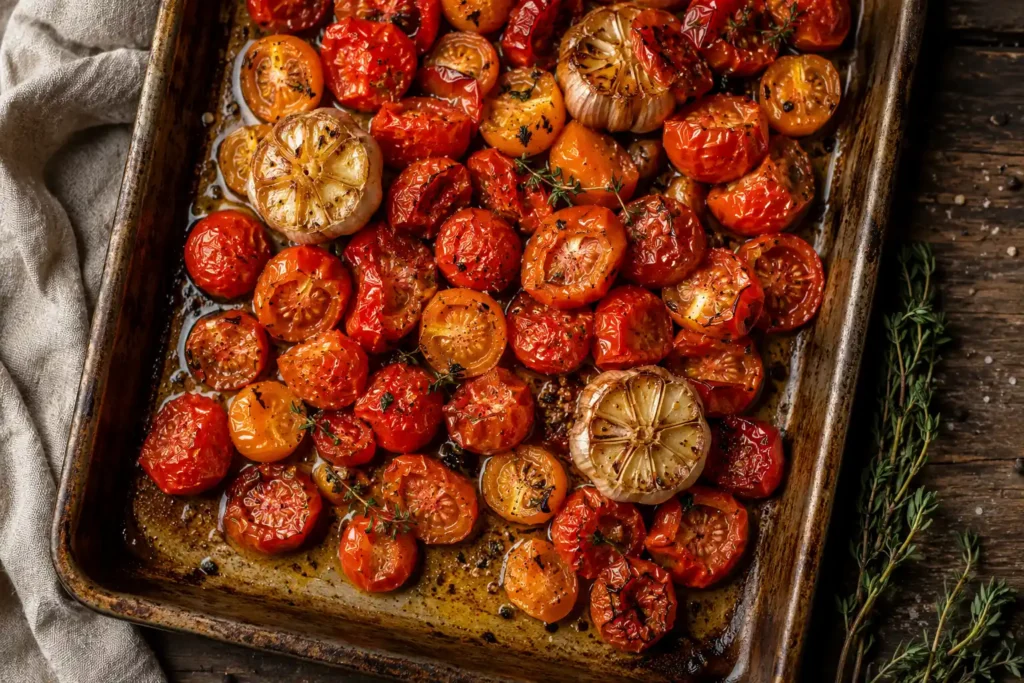
Toss halved cherry tomatoes and whole garlic bulbs with olive oil, salt, and pepper, then roast at 400°F for about 20 minutes until they blister and start to caramelize. This is where most of the dish’s sweetness comes from, so don’t rush it.
Step 2 – Toast the Fennel-Chili Breadcrumbs
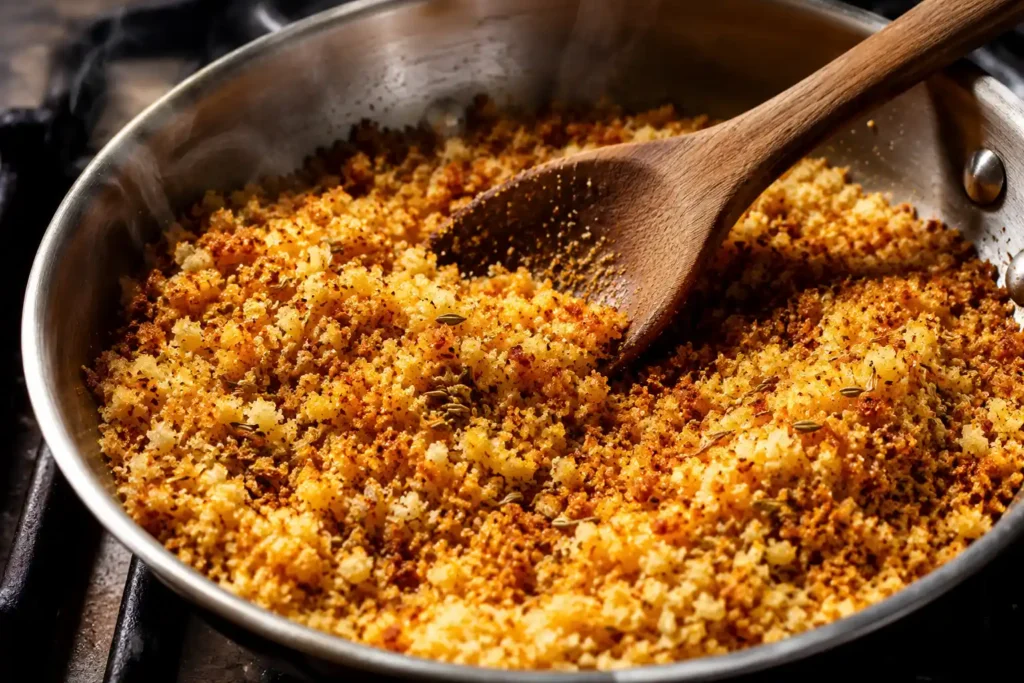
While the tomatoes roast, melt butter in a pan and toast panko breadcrumbs with cayenne and fennel seeds until golden and crisp. Keep stirring — they go from golden to burnt quickly. Set them aside until plating.
Step 3 – Cook the Pasta
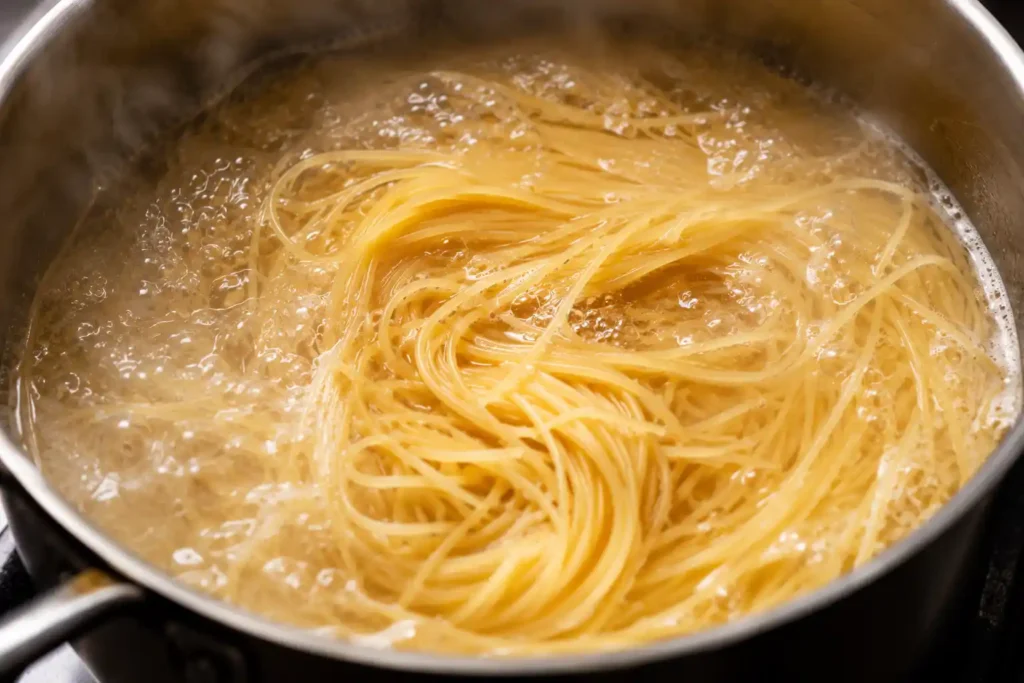
Boil the spaghettini in well-salted water until just al dente. Reserve about a cup of the starchy pasta water before draining — it’s what gives the sauce its glossy, clingy texture later.
Step 4 – Sear the Prawns
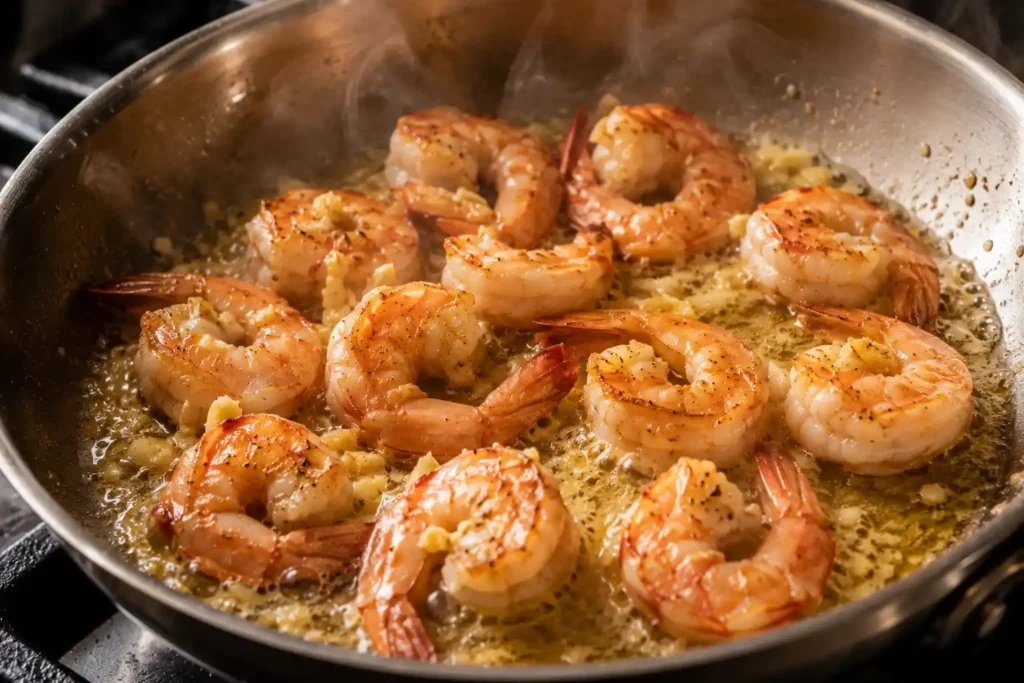
Sear the prawns in butter with minced garlic over medium-high heat, about a minute or two per side, just until they turn pink. Pull them out right away so they don’t overcook — they’ll go back in at the very end.
Step 5 – Make the Garlic Crostini

Toast buttered French bread until crisp, rub it with garlic, and top with grated Parmesan and chopped parsley. Set aside to serve alongside the pasta.
Step 6 – Build the Sauce
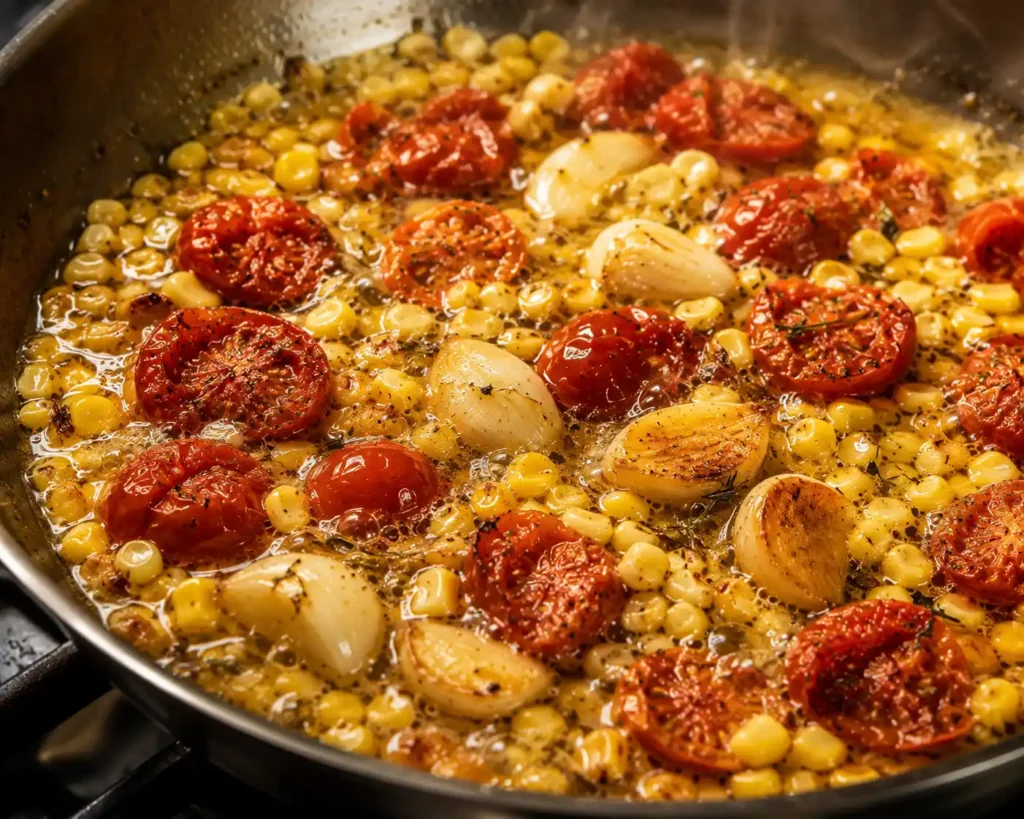
Melt butter in a pan, add the corn, and cook a few minutes until tender. Stir in the lobster paste or bouillon, the roasted tomatoes and garlic, and a squeeze of lemon juice. This is also where you’d add a splash of cream if you want it richer.
Step 7 – Combine and Plate
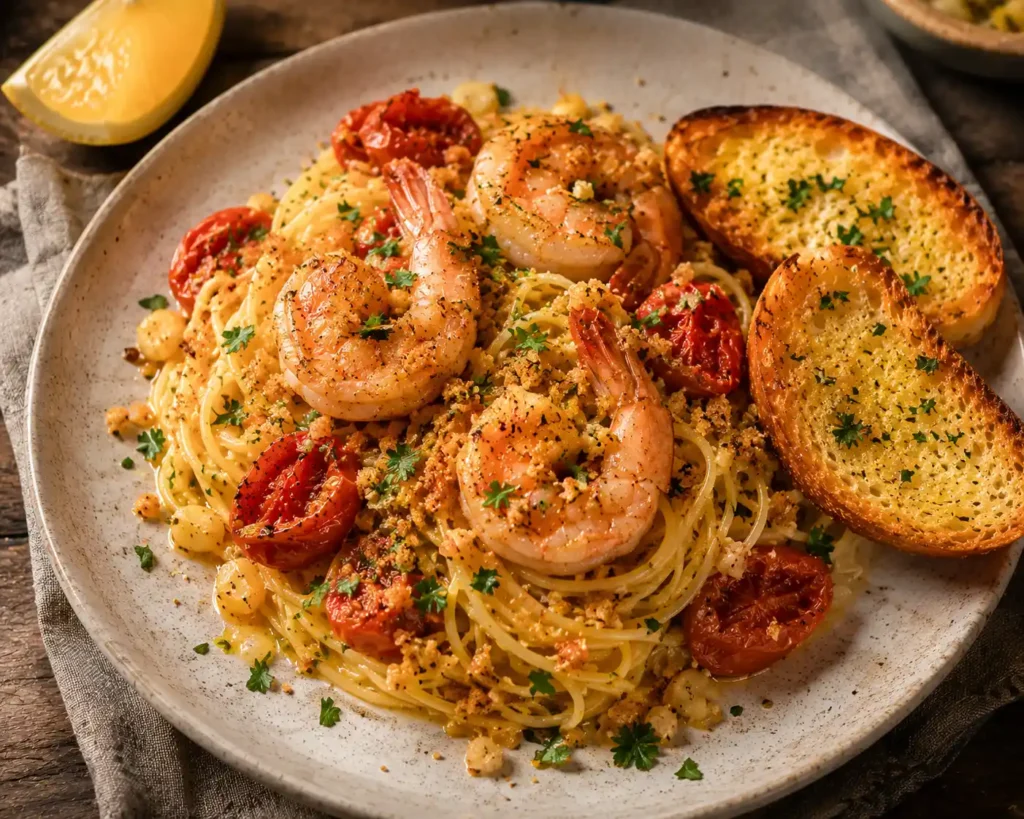
Toss the drained pasta into the sauce, loosening it with the reserved pasta water until every strand is coated. Return the prawns to the pan just to warm through, then plate and top with the toasted breadcrumbs, a sprinkle of parsley, and the garlic crostini on the side.
Tips for the Best Results
- Don’t skimp on the butter. Former Cactus Club staff have mentioned in various online recipe recreations that butter is what makes the sauce taste right when it feels a little flat — a small extra pat at the end usually fixes it.
- Roast more tomatoes than you think you need. They shrink a lot, and having extra means the sauce doesn’t end up thin on tomato flavor.
- Sear the prawns hard and fast, then pull them out. Add them back to the sauce right at the end just to warm through — this is the single biggest thing that separates tender prawns from rubbery ones.
- Taste before you plate. Adjust lemon and salt at the very end, since the sauce concentrates as it reduces.
Common Mistakes to Avoid
- Overcooking the prawns. They only need one to two minutes per side. Once they curl and turn opaque pink, they’re done — any longer and they turn tough.
- Skipping the pasta water. A splash of the starchy cooking water helps the butter sauce cling to the noodles instead of pooling at the bottom of the bowl.
- Rushing the tomato roast. Roasting at a slightly lower temperature for the full time concentrates the sweetness; pulling them out early leaves them tasting raw and watery.
- Letting the breadcrumbs sit too long before serving. They lose their crunch fast once they’re near the warm sauce, so add them right before the dish goes to the table.
- Over-salting early. Lobster paste and any store-bought stock can already be salty, so season at the end rather than at the start.
Easy Variations You Can Try
- No shellfish: swap the prawns for chicken breast or firm white fish, and leave the lobster paste out of the sauce — a little extra butter and lemon keeps it rich.
- Extra spicy: add more chili flakes to the breadcrumb mix, or a few drops of hot sauce into the sauce itself.
- Gluten-free: use gluten-free pasta and gluten-free breadcrumbs; the sauce itself doesn’t need any changes.
- Richer sauce: a small splash of cream at the end makes the sauce silkier, though it moves it further from the lighter, butter-forward restaurant version.
- Lighter version: cut the butter back by a third and finish with a bit more lemon and pasta water instead — you’ll lose some richness but keep the dish from feeling heavy.
Storage and Reheating Tips
This dish is best fresh, but if you do have leftovers:
- Store the pasta in a sealed container in the fridge for up to 3 days.
- Keep any breadcrumbs or crostini separate so they don’t go soft.
- Reheat gently on the stove over low heat with a small splash of water or stock to loosen the sauce back up.
- Avoid high heat when reheating — it toughens the prawns quickly.
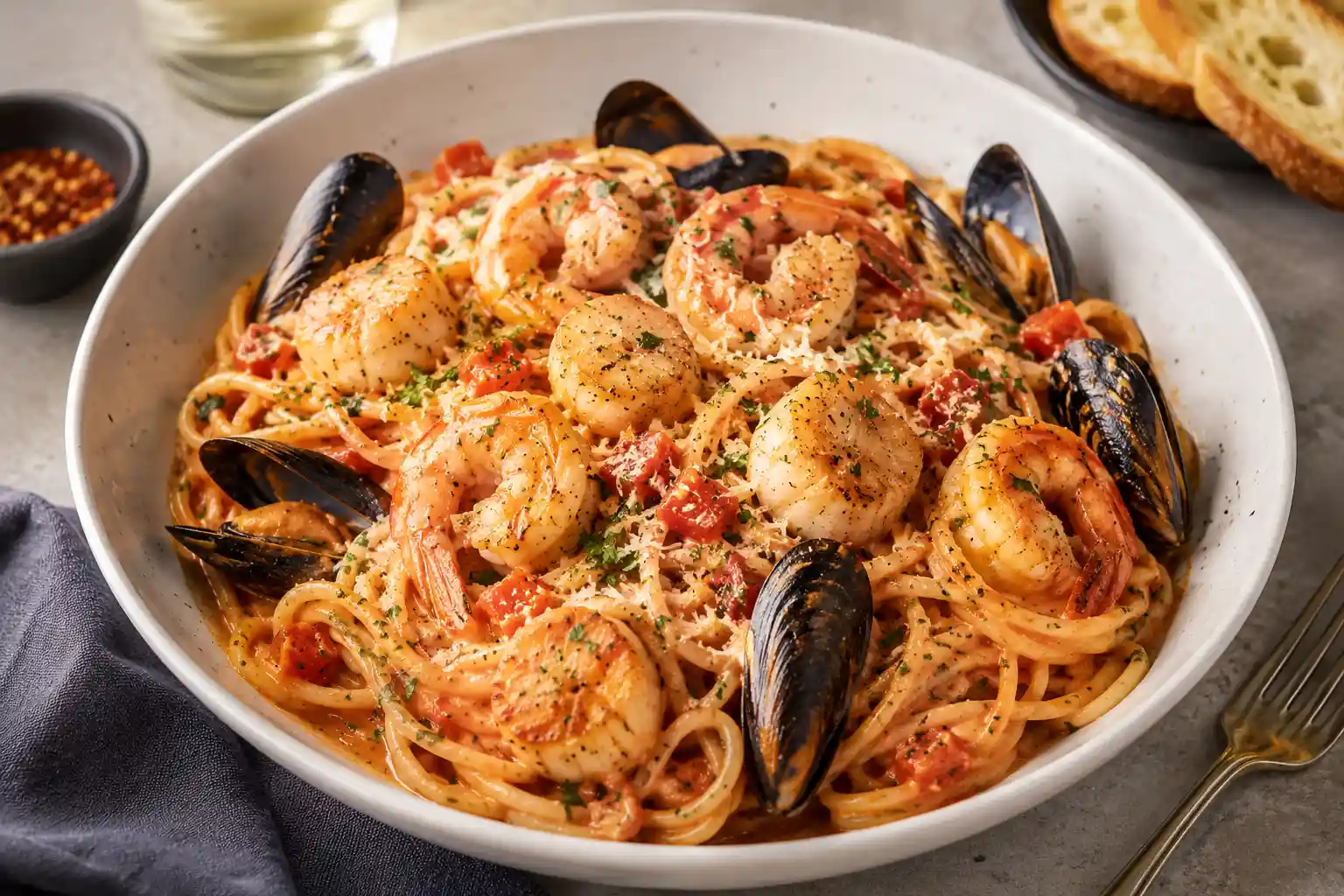

Cactus Club Spaghetti Portofino Recipe
A rich, buttery seafood pasta with tender prawns, roasted tomatoes, and a crispy fennel-chili breadcrumb topping, inspired by the famous Cactus Club Cafe dish.
Ingredients
Equipment
Method
- Preheat the oven to 400°F (200°C). Toss the cherry tomatoes and garlic bulbs with olive oil, salt, and pepper on a baking sheet. Roast for about 20 minutes, until soft and starting to caramelize.
- Bring a large pot of salted water to a boil. Cook the spaghettini until al dente. Reserve 1 cup of pasta water before draining.
- While the pasta cooks, melt 2 tablespoons butter in a skillet over medium-high heat. Add the prawns and minced garlic, and cook 1–2 minutes per side until pink. Remove immediately to avoid overcooking.
- In the same skillet, melt 2 tablespoons butter and toast the panko with the cayenne and fennel seeds until golden and crisp. Set aside.
- Toast the buttered French bread until crisp, then rub with garlic and top with Parmesan and parsley to make the crostini.
- In a saucepan, melt 6 tablespoons butter over medium heat. Add the corn and cook a few minutes until tender. Stir in the lobster paste or bouillon, the roasted tomatoes and garlic, and the lemon juice. Add cream here if a richer sauce is desired.
- Add the drained pasta to the sauce and toss well, adding reserved pasta water gradually until it coats the noodles smoothly.
- Return the prawns to the pan, garnish with parsley, and serve immediately topped with the toasted breadcrumbs and crostini on the side.
Video
Notes
Do not overcook the prawns — 1 to 2 minutes per side is enough to avoid a rubbery texture.
Roast the tomatoes the full 20 minutes; this is where most of the sauce’s sweetness comes from.
Keep the breadcrumbs separate from the sauce until plating so they stay crisp.
Store leftovers in an airtight container in the fridge for up to 3 days.
Roast the tomatoes the full 20 minutes; this is where most of the sauce’s sweetness comes from.
Keep the breadcrumbs separate from the sauce until plating so they stay crisp.
Store leftovers in an airtight container in the fridge for up to 3 days.
Frequently Asked Questions
What does Spaghetti Portofino taste like?
Buttery and bright, with roasted tomato sweetness, a mild seafood note from the prawns, and a light crunch and gentle heat from the fennel-chili crumb on top.
Is Spaghetti Portofino spicy?
Not really. The fennel-chili crumb adds a small kick, but the dish overall stays savory and rich rather than spicy. You can add more or less chili at home to suit your taste.
Can I make this without shellfish?
Yes — swap the prawns for chicken or scallops, and skip the lobster paste in the sauce (a little extra butter and lemon will still get you a good result, just with a milder seafood flavor).
Can I use frozen prawns?
Yes, just make sure they’re fully thawed and patted dry before cooking so the sauce doesn’t turn watery.
What pasta works best?
Thin spaghetti or spaghettini holds the light butter sauce better than a thicker noodle.
How long does the whole dish take to make?
About 20–30 minutes total — roasting the tomatoes takes the longest, while the prawns and sauce come together quickly.
How do I store leftovers?
Keep the pasta in a sealed container in the fridge for up to 3 days, and store any breadcrumbs separately so they stay crisp.
Can I prep any of this ahead of time?
Yes — the roasted tomatoes and breadcrumbs can be made a day ahead and kept in separate containers. Cook the prawns and finish the sauce fresh, since both are best right after cooking.
How do I fix a sauce that’s too thin?
Let it simmer a little longer to reduce, or add a small extra pat of butter off the heat. A splash of the reserved pasta water helps it grip the noodles if it feels like it’s pooling instead of coating.