Your favorite restaurant recipes, recreated at home — tested and easy to follow.


The first time I had the crispy tofu bowl at Cactus Club, I didn’t expect a vegetarian dish to be the one I couldn’t stop thinking about. Crunchy golden tofu, a sweet-and-spicy glaze, cool crisp veggies, and warm jasmine rice — it’s the kind of bowl that tastes like way more effort went into it than it actually takes.
I’ve made this at home more times than I can count, testing how long to press the tofu, when to add the glaze, and which toppings actually make the bowl taste like the restaurant version instead of a generic buddha bowl. This guide walks through exactly what’s in it, how to get that same crunch at home, and a full recipe card at the end you can build from tonight.
What Is the Cactus Club Crispy Tofu Bowl?
The Crispy Tofu Bowl is a vegetarian rice bowl on the Cactus Club Cafe menu built around pan-fried tofu cubes tossed in a sweet, spicy, gochujang-based glaze, served over seasoned jasmine rice with fresh vegetables and a bright ponzu-mirin dressing. It leans on Japanese and Korean flavor cues — gochujang, mirin, ponzu — but isn’t tied to one specific cuisine; it’s built more like a modern “bowl food” dish designed around contrast: crunchy against soft, sweet against tangy, warm against cold.
It’s become one of the more popular vegetarian options on the menu specifically because it doesn’t taste like a consolation dish — the tofu itself does the heavy lifting, and the glaze gives it the kind of bold flavor usually reserved for meat.
What Makes Cactus Club’s Version Distinct
A few details separate the restaurant version from a generic tofu rice bowl. The greens are a blend of iceberg lettuce and napa cabbage rather than just one or the other, which keeps the base crunchy without being as heavy as straight cabbage. The garnish leans on purple radish sprouts for color and a peppery bite, alongside pickled ginger for acidity. And the ponzu-mirin dressing is built with a small amount of bonito stock, which gives it a savory depth that a plain citrus-soy dressing doesn’t have.
None of these are difficult to recreate — they’re just easy to skip if you’re not looking for them, and skipping them is usually what makes a homemade version taste like “a tofu bowl” instead of “the Cactus Club tofu bowl.”
Core Ingredients and What Each One Does
- Extra-firm or firm tofu — pressed to remove water, then cut into cubes and coated in cornstarch. This is what gives the crispy shell.
- Cornstarch — the coating that fries up into a light, crunchy crust around the tofu.
- Gochujang-based glaze — gochujang, soy sauce, rice vinegar, honey, sesame oil, and mirin, simmered until thick and glossy. This is the sweet-spicy core of the dish.
- Jasmine rice — seasoned lightly with rice vinegar and a pinch of sugar, similar to sushi rice but lighter-handed.
- Iceberg lettuce and napa cabbage — the crunchy, cool base layer under the toppings.
- Avocado, mango, edamame, cucumber — the fresh, textural toppings that balance the richness of the fried tofu.
- Radishes and radish sprouts — for color, crunch, and a mild peppery bite.
- Pickled ginger — adds acidity and cuts through the sweetness of the glaze.
- Ponzu-mirin dressing — a light, citrusy soy-based dressing (often with a touch of bonito stock) that ties the bowl together without overwhelming the other flavors.
If you can only prioritize a few things, focus on well-pressed tofu, the gochujang glaze, and the ponzu-mirin dressing — those three carry most of what makes this dish recognizable.
Ingredient Sourcing Tips
- Tofu — extra-firm holds together best when frying; medium-firm gives a softer interior but needs gentler handling so it doesn’t break apart.
- Gochujang — found in the international or Asian foods aisle of most major grocery stores. Chili garlic sauce or sriracha with a small pinch of sugar works as a substitute if you can’t find it.
- Mirin — a sweet Japanese rice wine, usually shelved near soy sauce. If unavailable, a mix of rice vinegar and a touch of sugar gets close.
- Bonito flakes or bonito stock — optional but worth seeking out for the ponzu-mirin dressing; found in Asian grocery stores. The dressing still works without it, just slightly lighter in flavor.
- Purple radish sprouts — a specialty item some grocery stores carry seasonally. Regular radish sprouts, microgreens, or even chopped cilantro all work as substitutes.
Nutrition and Allergen Information
A single serving of this bowl (recipe makes 2 generous servings) comes in at roughly 540–600 calories, depending on how much oil is absorbed during frying and how generous the glaze and toppings are. This is an estimate rather than a lab-tested figure, so treat it as a general guide rather than an exact count.
A few allergens worth flagging:
- Soy — soy sauce, and often the tofu itself
- Sesame — sesame oil and sesame seed garnish
- Fish — if using bonito stock or flakes in the ponzu-mirin dressing (leave this out for a vegetarian or vegan version)
- Gluten — regular soy sauce contains wheat; substitute tamari if needed
This dish is naturally vegetarian, and easy to make fully vegan (see the Variations section below).
How It Compares to Other Rice and Grain Bowls
Compared to a typical poke bowl, which usually centers on raw fish and a simpler soy-sesame dressing, the Crispy Tofu Bowl leans much more on texture contrast — the fried tofu crust is the star, not a raw protein. Compared to a Buddha bowl, which is often built around roasted vegetables and a tahini-based dressing, this bowl is brighter and more acidic, thanks to the ponzu-mirin dressing and pickled ginger. If you want something warm, roasted, and earthy, a Buddha bowl is the better fit. If you want something crisp, glazed, and a little sweet-spicy, this is the one to make.
Ordering It at the Restaurant
The Crispy Tofu Bowl is typically listed under the lighter or vegetarian section of the Cactus Club menu, though exact placement can shift with seasonal menu updates. It’s available for dine-in, takeout, and delivery through the usual third-party apps in most areas. If you’re ordering for delivery, it’s worth requesting the dressing on the side — the tofu holds its crunch much better if it isn’t sitting in the glaze and dressing during transit.
What to Pair With It
Because the bowl itself is already a complete meal — protein, carb, and vegetables — you don’t need much alongside it. A light cucumber salad with rice vinegar makes a good starter if you want to stretch the meal out. For drinks, something crisp and slightly sweet works well against the glaze: a chilled Riesling, a light lager, or, for a non-alcoholic option, iced green tea or a ginger-lime soda.
How to Make the Crispy Tofu Bowl at Home (Step-by-Step)
Here’s the full process broken down so you can see what’s happening at each stage before jumping to the recipe card.
Step 1 – Press the Tofu
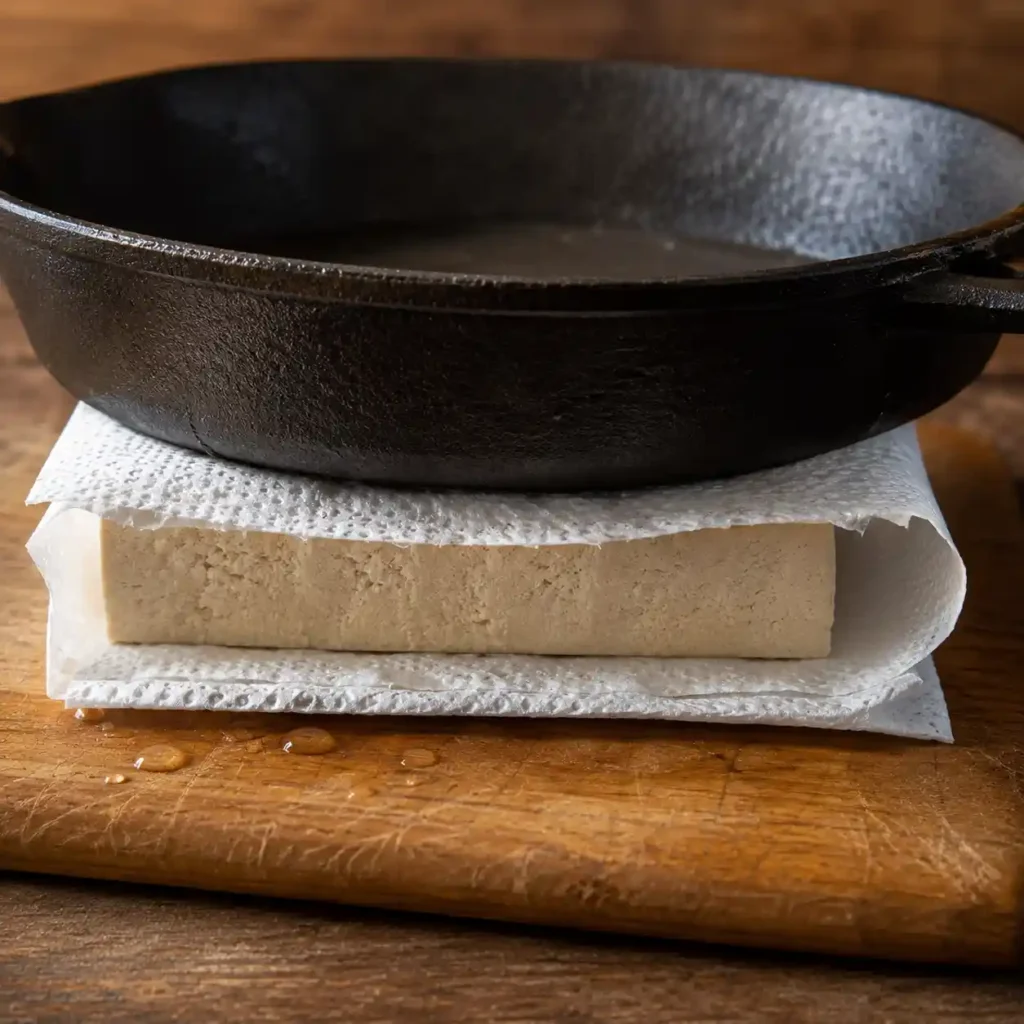
Wrap the tofu block in paper towels or a clean kitchen towel, then place something heavy on top — a pan with a couple of cans works well. Let it sit for 20 to 30 minutes. This step matters more than it seems: tofu holds a lot of water, and if you skip pressing, it will steam instead of crisp in the pan.
Step 2 – Coat and Fry the Tofu
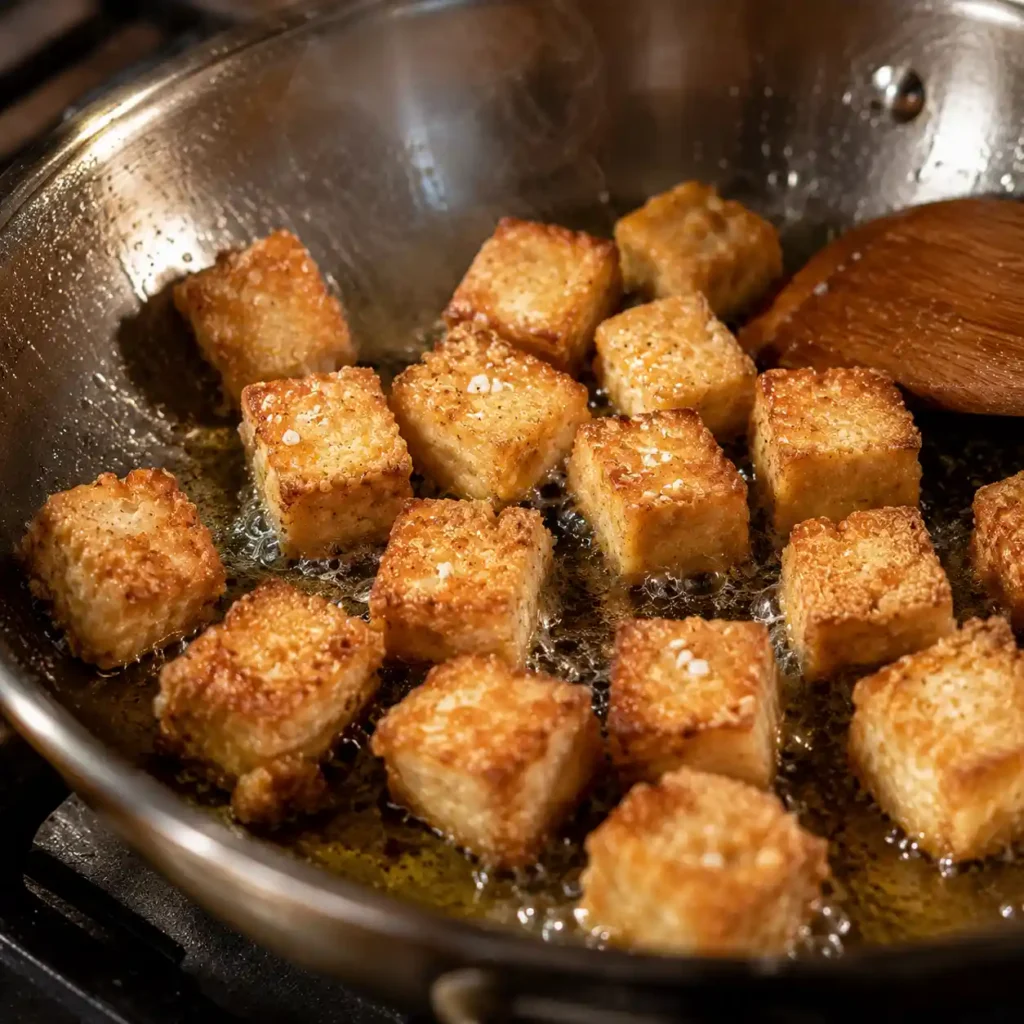
Cut the pressed tofu into even 1-inch cubes and toss them in cornstarch and salt until fully coated. Heat neutral oil in a skillet over medium-high heat, then fry the tofu in a single layer, without crowding the pan, until golden and crisp on all sides. Remove and set on a paper towel to drain any excess oil.
Step 3 – Make the Sweet and Spicy Glaze
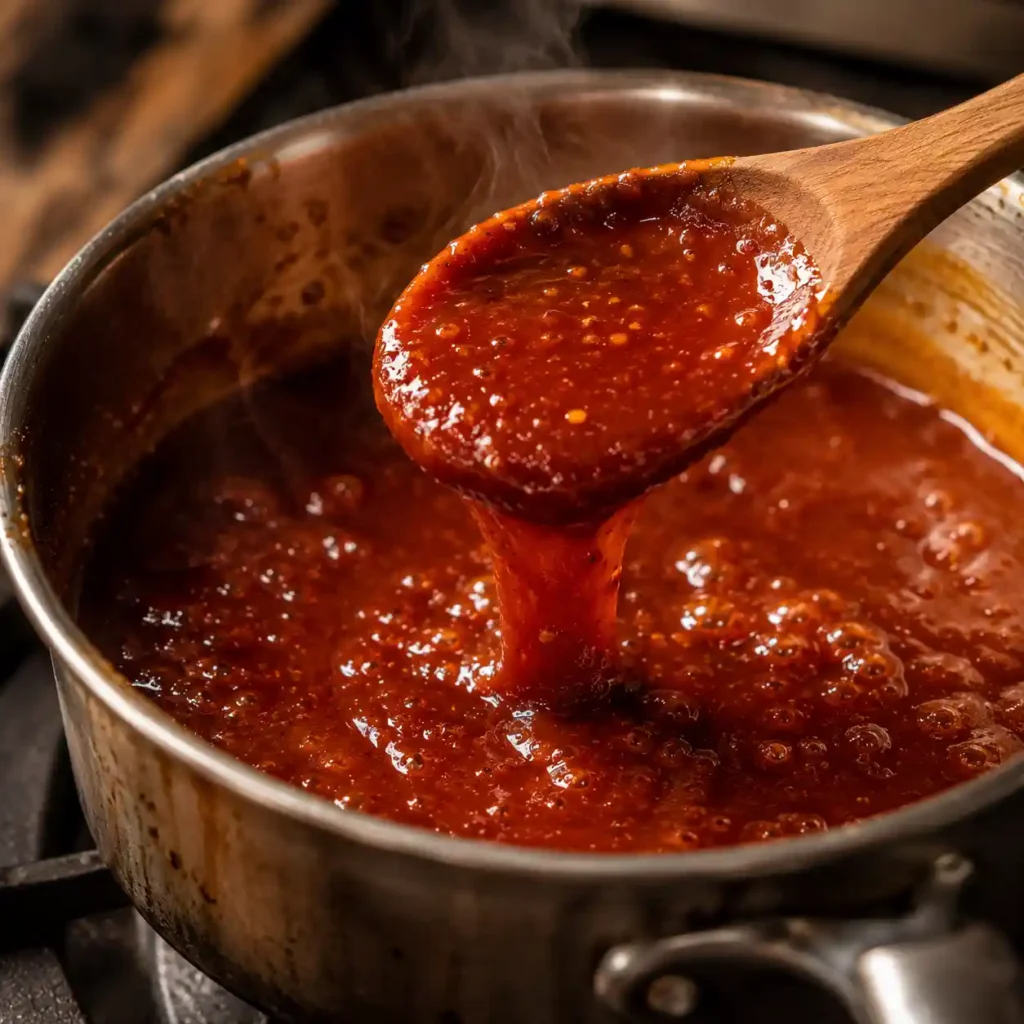
Combine the gochujang, soy sauce, rice vinegar, honey, sesame oil, and mirin in a small saucepan. Simmer over low heat, stirring occasionally, until it thickens and turns glossy. Don’t toss the tofu in yet — the glaze goes on right before serving so the tofu stays crisp.
Step 4 – Prep the Rice and Vegetables
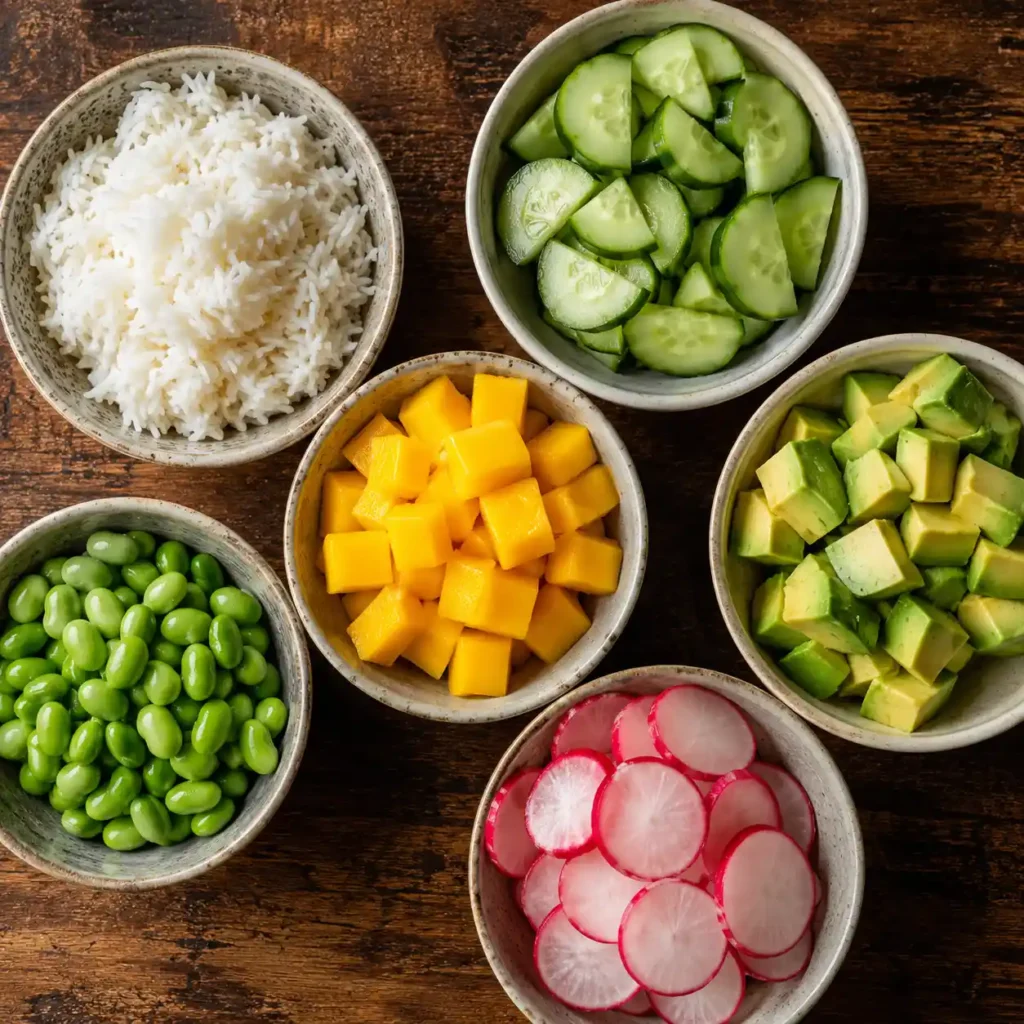
Cook the jasmine rice according to package instructions, then fluff it and mix in a small splash of rice vinegar and a pinch of sugar. While the rice cooks, slice the cucumber and radishes, dice the avocado and mango, and shred the iceberg lettuce and napa cabbage.
Step 5 – Make the Ponzu-Mirin Dressing
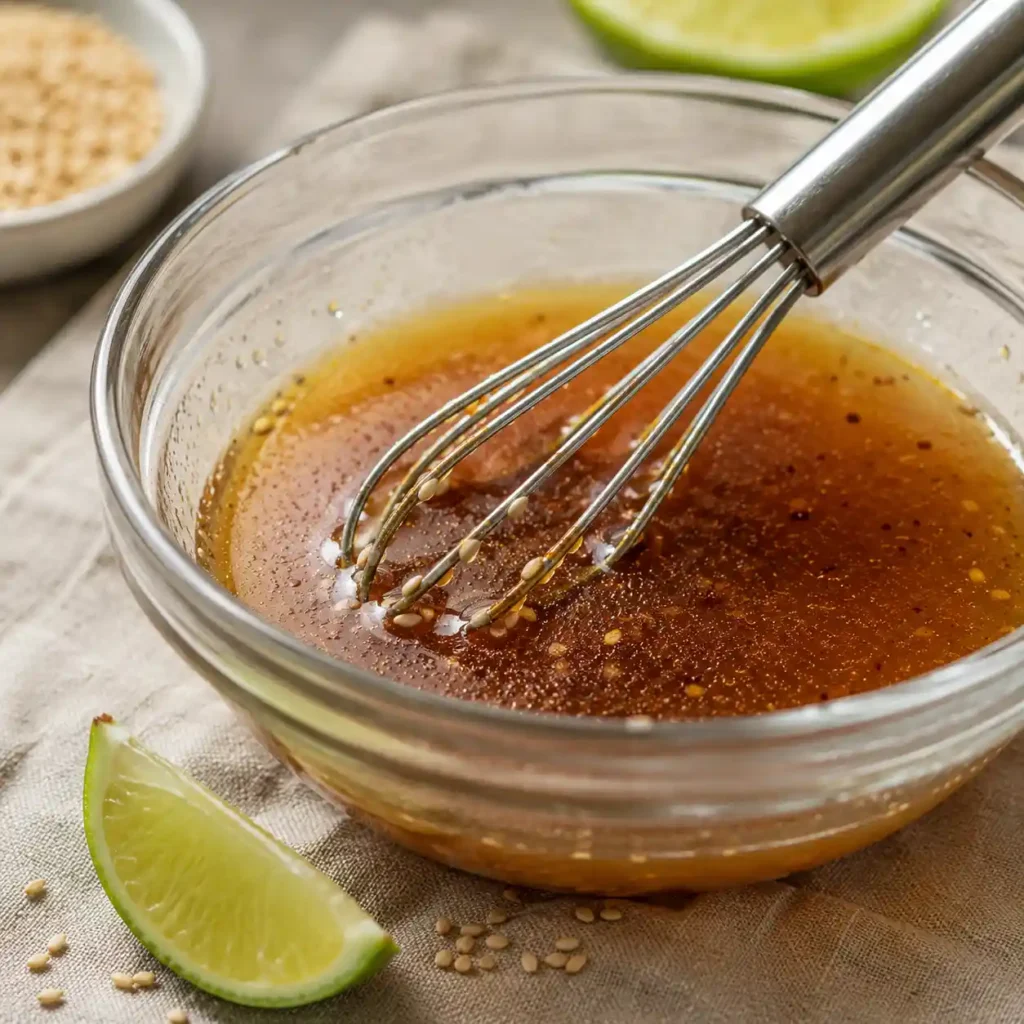
Whisk together the water, soy sauce, mirin, rice vinegar, lime juice, and orange juice (or a pinch of sugar) in a small bowl. If using bonito stock or flakes, add them now and let the dressing sit for a few minutes so the flavor comes through.
Step 6 – Glaze the Tofu
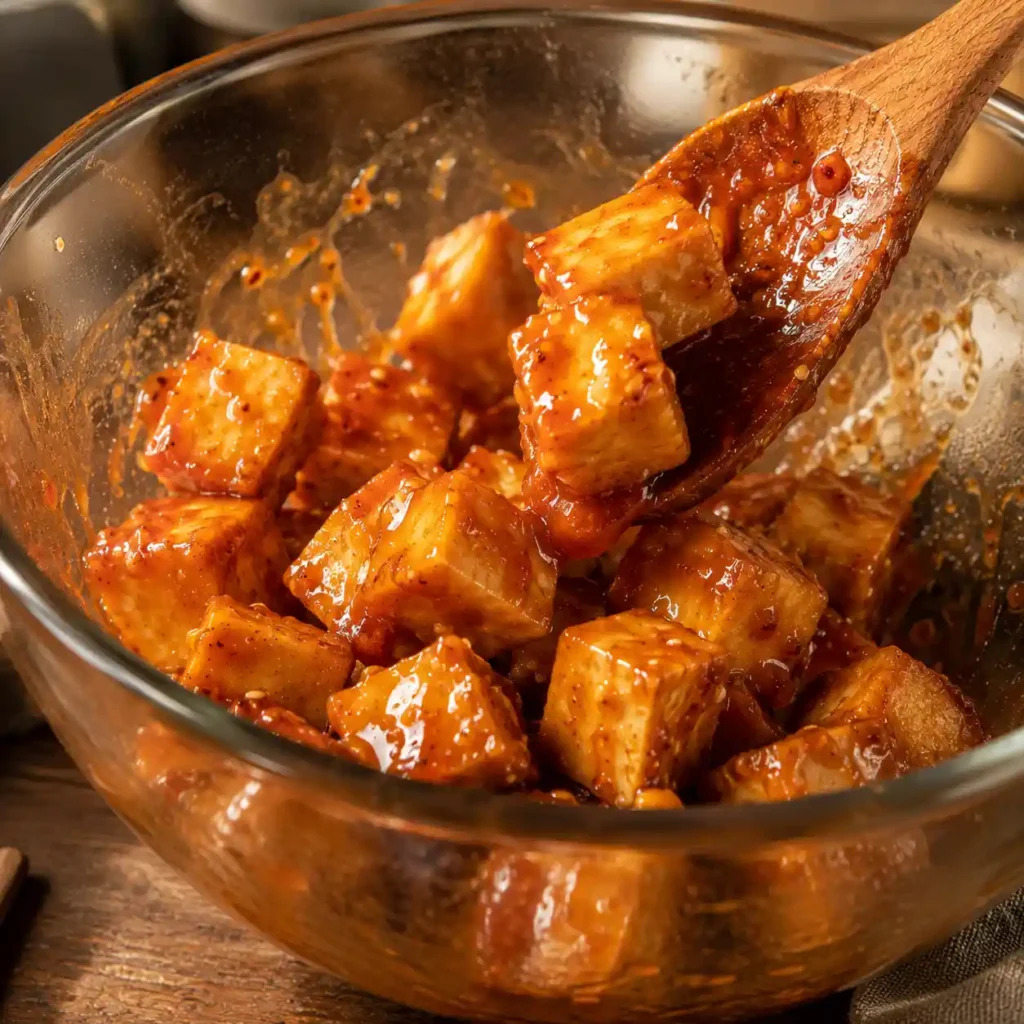
Just before you’re ready to serve, toss the fried tofu in the glaze until each piece is coated. Doing this at the last minute is what keeps the crust from going soft.
Step 7 – Assemble the Bowl
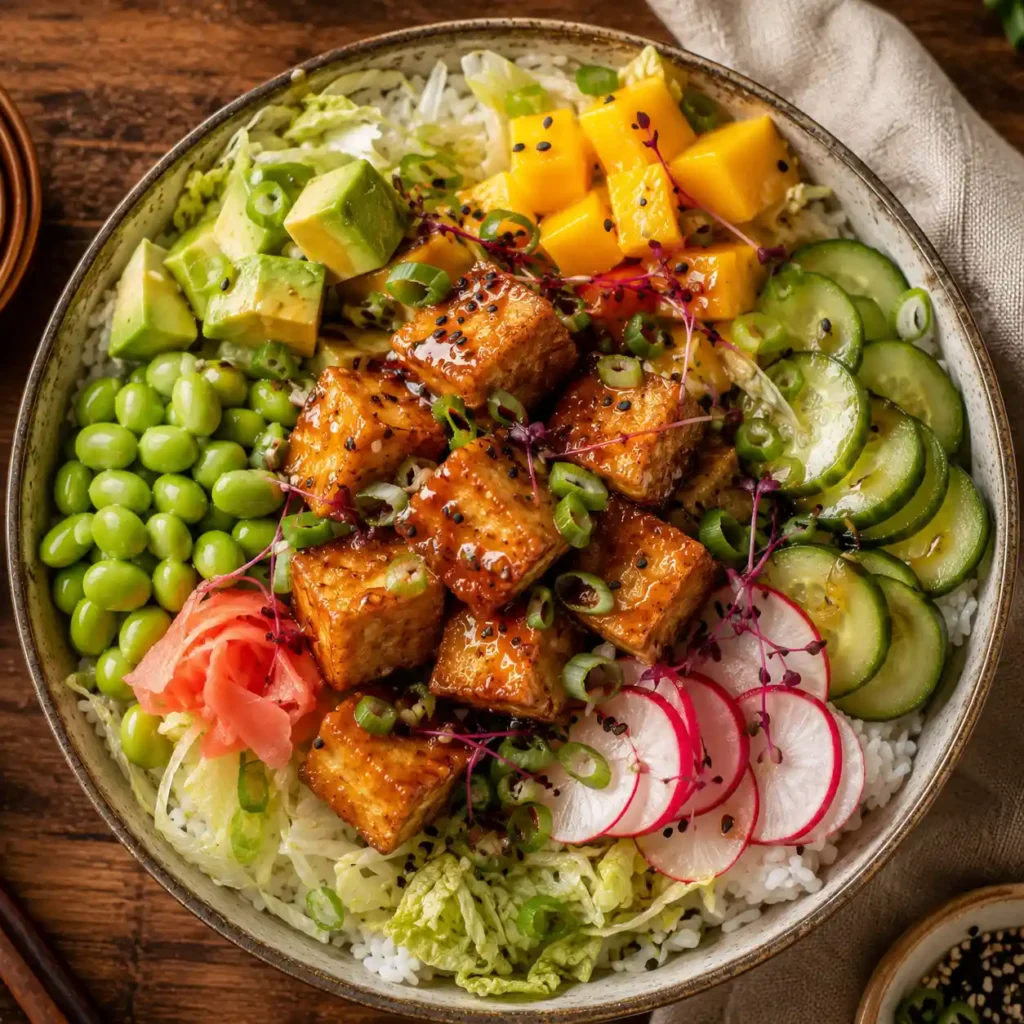
Layer warm rice at the base of the bowl, then add the shredded lettuce and cabbage. Top with the glazed tofu, followed by avocado, mango, edamame, cucumber, and radishes. Drizzle with the ponzu-mirin dressing and finish with pickled ginger, radish sprouts, green onions, and sesame seeds.
Tips for the Best Results
- Press the tofu longer than feels necessary. Thirty minutes gives noticeably better crunch than a rushed ten-minute press.
- Don’t crowd the pan when frying. Overlapping tofu pieces trap steam, and steam is the enemy of crunch.
- Wait for a golden crust before flipping. If the tofu is sticking or looks pale, it isn’t ready to turn yet.
- Toss the tofu in the glaze at the very last minute. Glazing early is the single most common reason homemade crispy tofu turns soft.
- Taste the ponzu-mirin dressing before serving. It should taste bright and slightly savory — adjust the lime or orange juice if it feels flat.
Common Mistakes to Avoid
- Skipping the tofu press. Wet tofu steams instead of crisping, no matter how hot the oil is.
- Using too much glaze. A thin, even coat is enough; drowning the tofu makes the bowl taste one-note and softens the crust fast.
- Overcrowding the frying pan. Fry in batches if needed rather than piling the tofu in all at once.
- Assembling the bowl too early. This dish is meant to be built right before eating — assembled too far ahead, the greens wilt and the tofu loses its crunch.
- Forgetting the acid. Skipping the pickled ginger or the citrus in the dressing leaves the bowl tasting flat and overly sweet.
Easy Variations You Can Try
- Fully vegan: swap the honey in the glaze for maple syrup, and skip the bonito stock in the dressing (a small splash of extra soy sauce or a pinch of mushroom powder adds savoriness instead).
- Gluten-free: use tamari instead of soy sauce, and double-check your mirin brand for gluten-free labeling.
- Extra spicy: add more gochujang, or a dash of chili flakes into the glaze while it simmers.
- Different grain base: swap the jasmine rice for brown rice or quinoa if you want more fiber or a nuttier flavor.
- Air fryer tofu: for a lighter version, air fry the coated tofu cubes at 400°F for 15–20 minutes, shaking the basket halfway through, instead of pan-frying.
Storage and Reheating Tips
- Store fried tofu and glaze in separate containers in the fridge for up to 3 days.
- Keep the ponzu-mirin dressing chilled in its own container; it holds well for about a week.
- Keep rice and fresh vegetables stored separately so nothing goes soggy.
- Reheat the tofu in a hot pan or air fryer rather than the microwave — this is what brings the crunch back. Add the glaze fresh after reheating rather than storing it glazed.
- Assemble the full bowl only when you’re ready to eat.
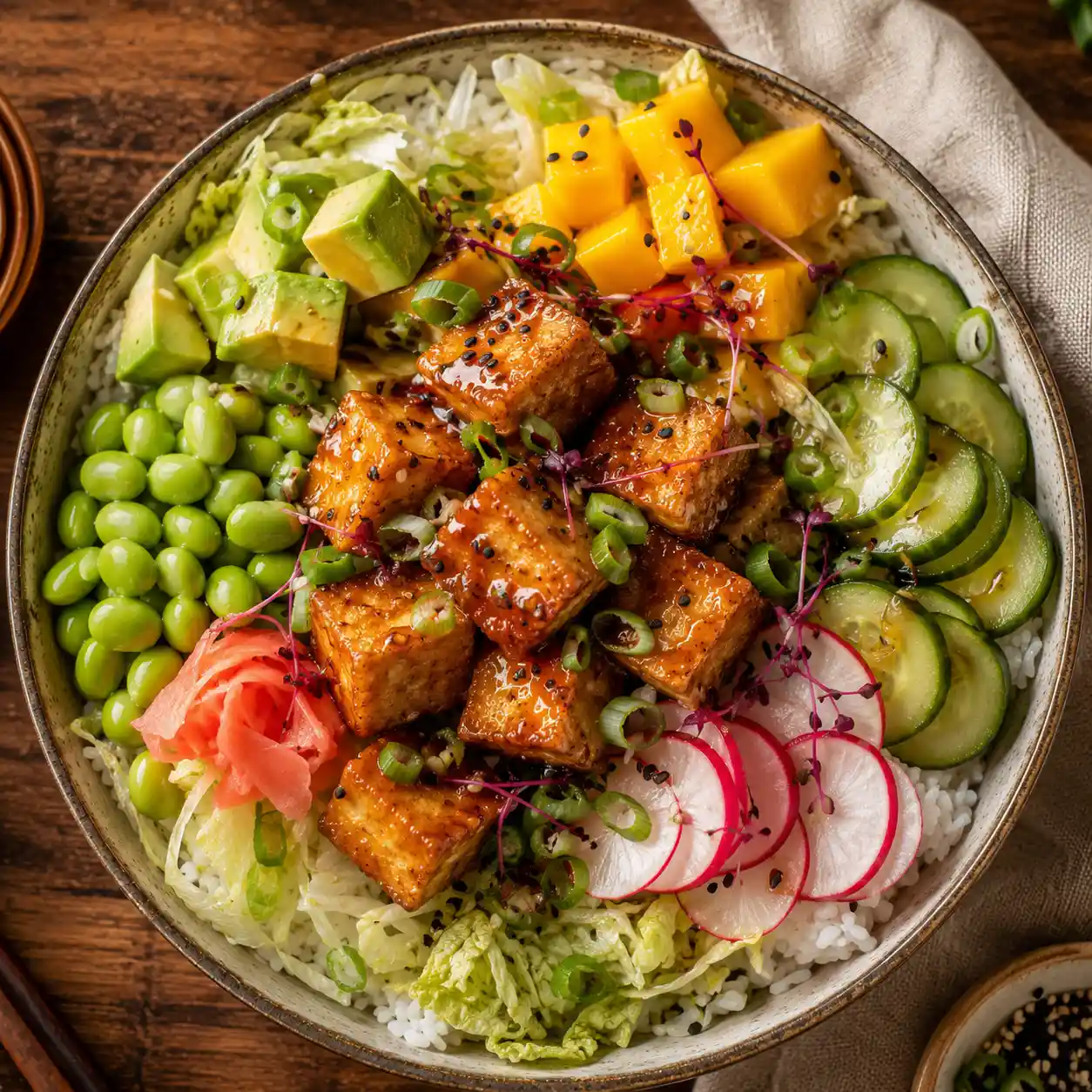

Cactus Club Crispy Tofu Bowl
A vegetarian copycat of the Cactus Club Crispy Tofu Bowl — golden pan-fried tofu tossed in a sweet and spicy gochujang glaze, served over seasoned jasmine rice with fresh vegetables and a bright ponzu-mirin dressing.
Ingredients
Equipment
Method
- Press the tofu for 20–30 minutes using paper towels and a heavy weight to remove excess moisture. Cut into 1-inch cubes.
- Toss the tofu cubes in cornstarch and salt until evenly coated.
- Heat the oil in a skillet over medium-high heat. Fry the tofu in a single layer, without crowding the pan, until golden and crisp on all sides. Remove and drain on paper towels.
- In a small saucepan, combine the soy sauce, gochujang, rice vinegar, honey, sesame oil, and mirin. Simmer over low heat, stirring occasionally, until thickened and glossy.
- Cook the jasmine rice according to package instructions, then mix in the rice vinegar and sugar.
- Prepare the vegetables: slice the cucumber and radishes, dice the avocado and mango, and shred the lettuce and cabbage.
- Whisk together the dressing ingredients in a small bowl, adding the bonito flakes or stock if using.
- Just before serving, toss the fried tofu in the glaze until fully coated.
- Assemble the bowl: rice at the base, shredded lettuce and cabbage next, then the glazed tofu and fresh toppings. Drizzle with the ponzu-mirin dressing and garnish with pickled ginger, radish sprouts, green onions, and sesame seeds.
Video
Notes
Press the tofu longer (up to 30 minutes) for a crisper result.
Toss the tofu in the glaze at the last minute so it doesn’t turn soft.
For a lower-oil version, air fry the coated tofu at 400°F for 15–20 minutes, shaking the basket halfway through.
Store components separately and assemble just before eating for the best texture.
Nutrition information is an estimate and will vary based on exact ingredients and portion sizes.
Frequently Asked Questions
What does the Cactus Club crispy tofu bowl taste like?
Sweet, spicy, and savory all at once — the glaze is the dominant flavor, balanced by fresh, slightly acidic toppings and a light citrus-soy dressing.
Can I bake the tofu instead of frying it?
Yes. Spread the coated cubes on a baking sheet and bake at 400°F for 20–25 minutes, flipping once, for a lower-oil version with a similar crunch.
What can I use instead of gochujang?
Chili garlic sauce or sriracha with a small pinch of sugar makes a close substitute if gochujang isn’t available.
Is this recipe vegan?
It’s vegetarian as written. To make it fully vegan, swap the honey for maple syrup and leave the bonito stock out of the dressing.
Can I use brown rice instead of jasmine rice?
Yes — brown rice or even quinoa works well and adds more fiber, though the flavor and texture will be slightly different from the restaurant version.
How long does the crispy tofu stay crisp after frying?
It’s best eaten within 15–20 minutes of frying and glazing. If you need to prep ahead, store the fried tofu unglazed and glaze it just before serving.
How do I store leftovers?
Keep the tofu, glaze, dressing, rice, and fresh toppings in separate containers in the fridge for up to 3 days, and reheat the tofu in a pan or air fryer rather than the microwave.